
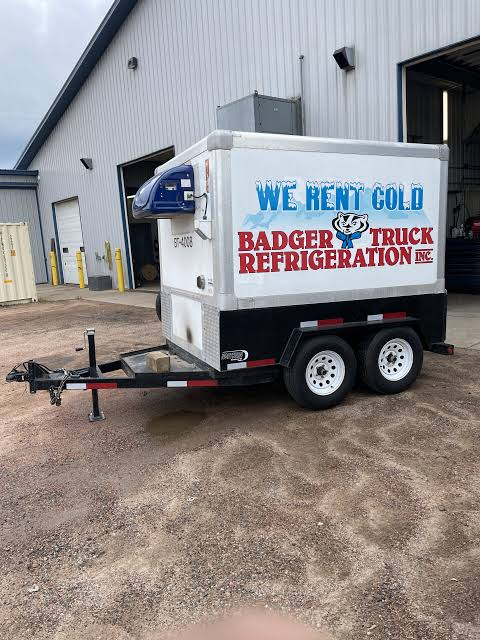
Refrigerated Trucking Insurance in Cincinnati, Ohio: The Complete Guide for Reefer Haulers
Cincinnati sits at the crossroads of I-71, I-75, and I-74, which makes it one of the busiest freight corridors in the Midwest. That location is a huge advantage if you run a reefer unit, but it also means your refrigerated trailer is exposed to more traffic, more weather swings, and more temperature-sensitive freight than almost any other lane in Ohio. If you haul produce, dairy, meat, pharmaceuticals, or frozen goods through the Cincinnati area, refrigerated trucking insurance is not optional — it is the foundation of a business that can survive a bad day on the road. This guide walks through everything a Cincinnati owner-operator or fleet manager needs to know about this coverage, why it costs what it costs, and how to build a policy that actually protects your freight, your truck, and your bottom line.
Why Refrigerated Trucking Insurance Is Different From Standard Truck Insurance
Every commercial truck on the road needs liability coverage, but refrigerated trucking insurance has to do more work than a standard policy. A dry van that breaks down on the side of I-75 loses time. A reefer unit that breaks down loses the entire load. Temperature-controlled freight is perishable by definition, which means a mechanical failure, a power outage, or even a few hours of delay can turn a full trailer of product into a total loss. This coverage is built around that reality. It combines standard commercial auto coverage with specialized protection for the refrigeration unit itself, the cargo inside the trailer, and the spoilage risk that comes with hauling anything that needs to stay cold.
This is why Cincinnati carriers who haul for grocery distribution centers, food processors, or pharmaceutical shippers cannot simply buy a generic policy off the shelf. Refrigerated trucking insurance needs to account for reefer breakdown, temperature recording equipment, contamination, and the strict delivery windows that come with perishable freight contracts. Missing even one of these coverages can leave a carrier holding the bag on a claim that a properly structured policy would have paid.
What Refrigerated Trucking Insurance Actually Covers
When people search for refrigerated trucking insurance, they are usually looking for one all-in-one answer, but the truth is that a complete policy is made up of several coverage types working together. Here is what a well-built policy should include for a Cincinnati-based operation.
Motor Truck Cargo Insurance With Reefer Breakdown Endorsement
Standard motor truck cargo insurance protects freight against collision, fire, and theft, but it typically excludes spoilage caused by a mechanical breakdown of the refrigeration unit unless you add a reefer breakdown endorsement. This endorsement is the single most important add-on in any refrigerated trucking insurance policy because it is the scenario that actually happens most often. Reefer units fail. Compressors seize. Fuel lines clog in cold weather. Without the breakdown endorsement, a carrier could have a fully compliant cargo policy and still be denied a claim on a spoiled load because the loss was mechanical rather than a collision.
Physical Damage Coverage for the Tractor, Trailer, and Reefer Unit
Physical damage coverage under a reefer policy needs to extend beyond the tractor and trailer to the refrigeration unit mounted on the trailer itself. These units are expensive to repair or replace, and a policy that only covers the trailer structure while ignoring the reefer machinery leaves a serious coverage gap. Comprehensive and collision coverage should be written to reflect the full value of the specialized equipment, not just a generic dry van trailer.
Commercial Auto Liability
Liability is the baseline of any commercial policy, and it remains a central piece of refrigerated trucking insurance. Ohio requires minimum liability limits for commercial vehicles, and federal regulations push those minimums even higher for carriers operating under their own DOT authority. Because reefer trailers tend to be heavier and haul higher-value freight, many Cincinnati carriers choose liability limits above the federal minimum to protect their business from a catastrophic judgment.
General Liability and Non-Trucking Liability
A complete cold-chain coverage program also includes general liability for incidents that happen off the road, such as at a loading dock or distribution warehouse, along with non-trucking liability for owner-operators leased to a motor carrier who use their truck for personal reasons when not dispatched. These two coverages fill gaps that a pure auto and cargo policy will not touch.
Spoilage and Temperature Monitoring Coverage
Because so many refrigerated freight contracts now require electronic temperature logging, refrigerated trucking insurance policies increasingly include coverage tied directly to those temperature records. If a monitoring device shows the trailer exceeded the required range, that data can support a spoilage claim rather than working against the carrier. A modern policy should be written with this documentation requirement in mind.
Why Cincinnati Reefer Carriers Face Unique Risk
Cincinnati is a major hub for grocery and food distribution in the Midwest, with large distribution centers and cold storage facilities feeding stores across Ohio, Kentucky, and Indiana. That volume of temperature-controlled freight moving through the region means refrigerated trucking insurance carries real weight for local operators. A few factors make Cincinnati particularly demanding for reefer haulers.
Weather swings. Cincinnati winters bring ice, snow, and sudden temperature drops that stress reefer units already working hard to keep freight cold. Summers bring high heat and humidity that push refrigeration systems to their limit on the other end of the spectrum. Refrigerated trucking insurance in this climate has to account for extreme seasonal swings that many other regions do not face to the same degree.
Highway congestion. The interchange where I-71, I-75, and I-74 meet near downtown Cincinnati is one of the most congested freight corridors in Ohio. Stop-and-go traffic increases both the chance of a collision and the strain on a reefer unit that is idling more than it is running down the open road. A policy needs to price in this exposure rather than treating a Cincinnati-based reefer fleet the same as a rural, low-traffic operation.
High freight density. Because so many perishable loads move through Cincinnati distribution centers, a single incident can involve a high-value trailer full of meat, dairy, or produce. Refrigerated trucking insurance policies for carriers running these lanes should be written with cargo limits that reflect actual load values, not outdated averages from years ago.
Cincinnati-Area Routes and Distribution Hubs Reefer Carriers Serve
Cincinnati’s freight economy runs on cold chain logistics. Kroger’s headquarters and regional distribution network moves an enormous volume of perishable freight through the metro area every week, and food processors, dairy plants, and cold storage warehouses throughout Hamilton, Butler, and Warren counties depend on reefer carriers to keep product moving on tight schedules. Amazon and other e-commerce fulfillment operations near the CVG airport corridor add another layer of temperature-sensitive freight, from grocery delivery to pharmaceutical shipments that cannot tolerate a break in the cold chain.
Carriers running these local lanes often bounce between short regional hauls and longer runs across the Ohio, Kentucky, and Indiana tri-state border within a single week. That mix of short urban routes and interstate mileage changes the risk picture constantly. A truck idling in dock traffic near a Cincinnati distribution center faces different exposure than the same truck cruising down I-75 toward Dayton or crossing the Brent Spence Bridge into Northern Kentucky. A well-built policy accounts for both environments rather than assuming every mile looks the same. This is one more reason local carriers benefit from working with an agency that actually understands the Cincinnati freight map, not just national averages pulled from a spreadsheet.
Risk Management Tips to Lower Your Reefer Insurance Costs
Insurance pricing is not just a function of paperwork. Underwriters look closely at how a carrier actually manages risk day to day, and a few habits can make a real difference in premium over time.
- Schedule preventive maintenance on the reefer unit, not just the tractor. Compressor failures and fuel-line issues are common causes of spoilage claims, and a documented maintenance schedule shows an underwriter that breakdowns are being managed proactively.
- Install and maintain temperature-monitoring technology. Digital data loggers create a paper trail that supports a claim rather than leaving an adjuster to guess whether a load actually left its required range.
- Train drivers on pre-trip cold chain checks. A driver who checks the reefer setpoint, fuel level, and door seals before every load reduces the odds of an in-transit failure.
- Keep a clean CSA score. Safety scores tied to a carrier’s DOT number directly influence underwriting, and a clean record over time is one of the most reliable ways to bring premiums down.
- Work with an agent who reviews coverage annually. Freight values, equipment, and routes change, and a policy that fit two years ago may no longer match the actual risk a carrier is running today.
Carriers who put these habits in place consistently see fewer claims and, over time, better renewal terms from underwriters who specialize in cold chain trucking.
How Much Does Refrigerated Trucking Insurance Cost in Cincinnati?
There is no single number that applies to every carrier, because refrigerated trucking insurance pricing depends on several variables that are unique to each operation. That said, Cincinnati owner-operators and small fleets can expect several factors to move their premium up or down.
- Driving history and experience. A clean CSA score and years of experience hauling temperature-controlled freight typically lower the cost of this coverage.
- Radius of operation. Local and regional Cincinnati routes often price differently than long-haul interstate lanes, since exposure and mileage change the risk profile.
- Freight type and value. Hauling frozen goods, dairy, or pharmaceuticals carries a different risk profile than produce, and refrigerated trucking insurance premiums reflect that difference in cargo value and spoilage risk.
- Age and condition of the reefer unit. Newer refrigeration units with maintenance records tend to reduce breakdown-related claims, which can help lower the overall cost of a policy.
- Coverage limits and deductibles. Higher cargo limits and lower deductibles increase the base premium, while carriers willing to carry a higher deductible on physical damage can often reduce their monthly cost.
Because these variables shift so much from one carrier to the next, the only reliable way to know what refrigerated trucking insurance will cost your business is to get a quote built around your actual operation rather than a generic online estimate.
Common Coverage Mistakes Cincinnati Reefer Haulers Make
After years of working with owner-operators and fleets across Ohio, a few patterns show up again and again when a carrier switches to a properly structured policy.
- Skipping the reefer breakdown endorsement to save money. This is the single most expensive mistake a carrier can make, because it is the exact scenario most likely to generate a claim.
- Underinsuring cargo value. Many carriers set cargo limits based on old averages instead of current freight values, leaving a gap when a full trailer of high-value perishable goods is lost.
- Ignoring non-trucking liability. Owner-operators leased to a carrier sometimes assume their base policy covers personal use of the truck, only to discover a gap after an accident that happened off dispatch.
- Not documenting temperature logs. Carriers who fail to keep clean electronic temperature records make it harder for an adjuster to validate a spoilage claim, even when the refrigerated trucking insurance policy would otherwise cover the loss.
- Treating all reefer freight the same. Pharmaceuticals, dairy, and frozen goods each carry different spoilage thresholds, and a one-size-fits-all policy does not always reflect that nuance.
- Waiting until renewal to review coverage. Freight contracts, equipment, and routes change throughout the year, but many carriers only revisit their policy once a year at renewal. A mid-year check-in with an agent can catch gaps before they turn into an uncovered claim, especially for carriers adding a new reefer unit or picking up a new lane through Cincinnati.
Building the Right Refrigerated Trucking Insurance Policy for Your Business
The best way to approach refrigerated trucking insurance is to start with the freight you actually haul, not a generic template. A Cincinnati carrier running frozen meat from a regional processor to grocery distribution centers has different needs than a produce hauler moving fresh goods on tight delivery windows. Working with an agency that understands both the trucking side and the cold chain side of the business allows a policy to be built around real exposure rather than guesswork.
At Cincinnati Commercial Truck Insurance, we work with all the major carriers serving Ohio, which means we can shop this coverage across multiple markets to find the coverage that actually fits your operation. Whether you run a single reefer unit under your own authority or manage a growing fleet delivering across the tri-state area, our team understands the coverage details that matter most: reefer breakdown endorsements, cargo limits that reflect real freight values, and liability limits that protect your business if the worst happens on I-71, I-75, or I-74.
We also know that trucking does not run on a nine-to-five schedule. Our team is available around the clock, and we can set carriers up with instant Certificate of Insurance access so a load never gets held up over paperwork. When a claim happens, having an agent who already understands refrigerated trucking insurance and the cold chain industry makes the difference between a smooth resolution and a drawn-out fight with an adjuster who does not understand reefer freight.
Federal and State Compliance for Refrigerated Freight Carriers
Beyond the insurance itself, refrigerated trucking insurance needs to work alongside your DOT and federal filing requirements. Carriers operating under their own authority need proper BOC-3 filings and, in many cases, MCS-90 endorsements tied to their liability policy. Reefer haulers moving food products also need to keep in mind FSMA sanitary transportation requirements, which affect how temperature records are kept and how cargo claims are documented. A policy that is built with these compliance requirements in mind helps a carrier avoid delays at weigh stations, audits, and claim disputes down the road.
Ohio-based carriers should also confirm that their refrigerated trucking insurance policy meets state minimum liability requirements while still accounting for the federal financial responsibility limits that apply to interstate carriers hauling regulated freight. These two sets of requirements do not always match, and a policy written only to the state minimum can leave an interstate reefer carrier underinsured the moment they cross into Kentucky or Indiana on a regular Cincinnati-area route.
Frequently Asked Questions About Refrigerated Trucking Insurance in Cincinnati
Does this coverage protect spoiled freight? Yes, but only if the policy includes a reefer breakdown endorsement or comparable spoilage coverage. A standard cargo policy without this endorsement may deny a claim caused by mechanical failure rather than a collision or theft.
Is refrigerated trucking insurance more expensive than standard cargo insurance? Generally, yes. Refrigerated trucking insurance costs more than standard dry van coverage because the cargo is perishable, the equipment is more expensive, and the risk of a total loss from a mechanical issue is higher.
Do I need this coverage if I only haul locally in Cincinnati? Yes. Local reefer routes still face breakdown risk, weather exposure, and high freight density around Cincinnati distribution centers, all of which make proper coverage just as important as it is for long-haul carriers.
Can I get this coverage as a new owner-operator? Yes. New authority carriers can get this coverage, though pricing may reflect limited experience until a driving and claims history is established.
What documents do I need to get a refrigerated trucking insurance quote? Typically a carrier will need their DOT number, driver information, vehicle and reefer unit details, and a description of the freight they haul, including average load values.
How long does it take to bind a policy once I request a quote? For most owner-operators and small fleets, a completed application can be reviewed and bound within a day or two, especially when driver records, equipment details, and freight descriptions are ready to submit up front. Carriers who need coverage in place quickly to accept a load or meet a shipper’s insurance requirement should let their agent know right away, since same-day certificates of insurance are often available once underwriting is complete.
Will switching insurance agencies affect my current DOT authority or filings? No. Moving to a new agency does not affect an existing DOT number or operating authority. A new agent simply takes over the BOC-3 process and MCS-90 filing alongside the new policy, and a good agency will handle that transition so there is no lapse in coverage or compliance during the switch.
Get a Refrigerated Trucking Insurance Quote in Cincinnati Today
Running temperature-controlled freight through Cincinnati is demanding work, and the insurance behind that freight needs to match the risk. Refrigerated trucking insurance is not a box to check for compliance — it is the coverage that keeps a single breakdown, a summer heat wave, or a winter storm from turning into a business-ending loss. Cincinnati Commercial Truck Insurance has spent years helping owner-operators and fleets across Ohio build reefer coverage policies that reflect the real risk of hauling perishable freight through one of the busiest freight corridors in the Midwest.
If you are ready to review your current coverage or set up a new policy, call our team at (513) 776-2414 or request an online quote. We work with owner-operators and fleets of every size, and we will make sure your refrigerated trucking insurance is built around the freight you actually haul, the routes you actually run, and the equipment you actually depend on every single day.
Our agents are ready to review your operation, answer your questions, and put together a policy built for the freight you haul through Cincinnati every day.
Cincinnati Commercial Truck Insurance 2060 Reading Rd Suite 550, Cincinnati, OH 45229 Phone: (513) 776-2414
