
The Complete Guide to Ohio Commercial Trucking Insurance for New Trucking Companies
Starting a trucking business in Ohio is an exciting move, but before your trucks ever touch I-75, I-71, or I-70, you need to understand Ohio commercial trucking insurance from the ground up. Whether you are leasing your first tractor, launching a small fleet, or filing for your own DOT authority, Ohio commercial trucking insurance is not optional — it is the legal and financial foundation your entire operation is built on. This guide is written specifically for new trucking companies and first-time owner-operators who are just now shopping for this coverage and want a clear, practical roadmap instead of confusing insurance jargon.
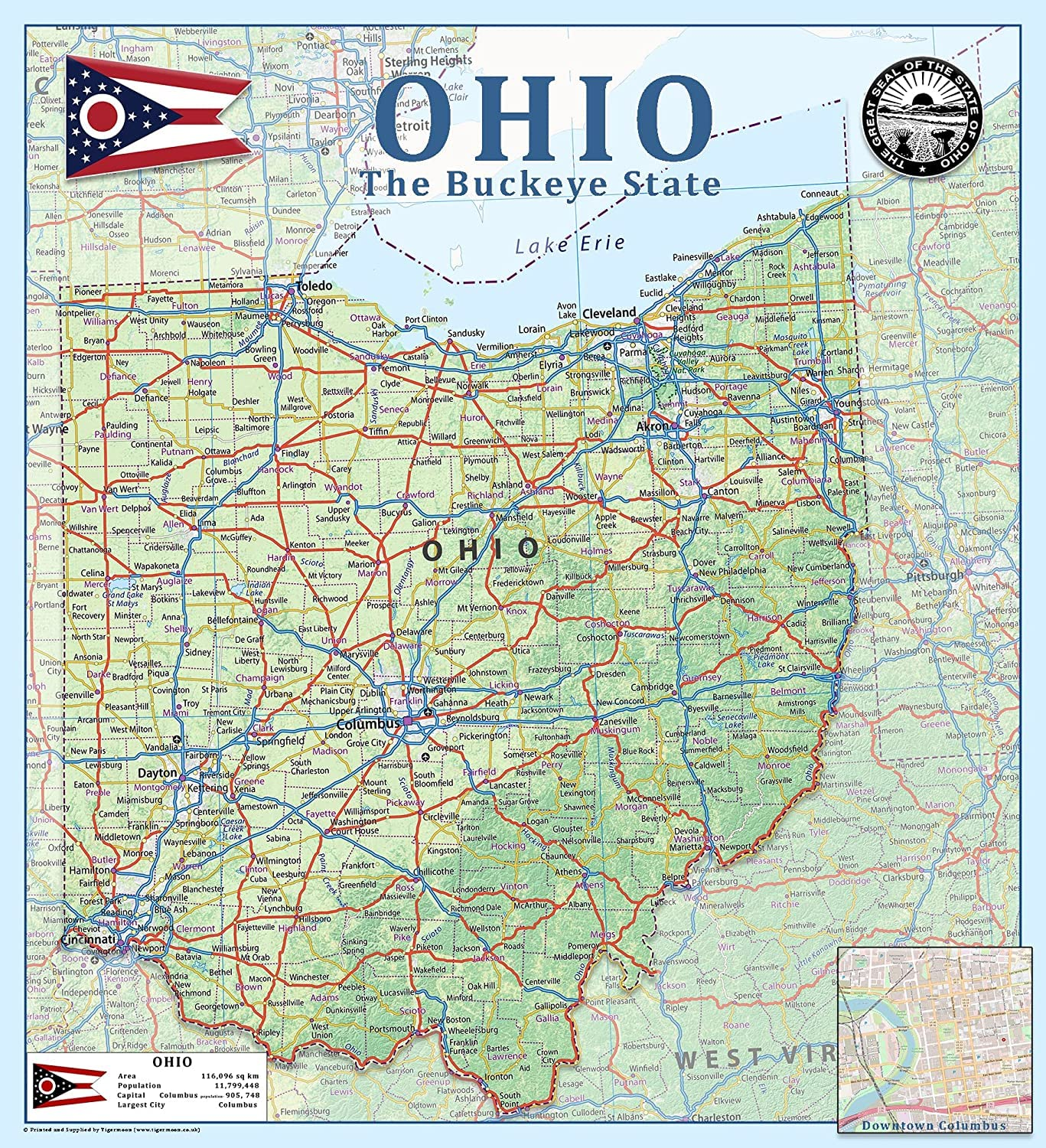
Ohio is one of the busiest freight corridors in the country. With major interstates crossing through Cincinnati, Columbus, and Cleveland, and with the state serving as a logistics hub for the entire Midwest, carriers based here haul everything from steel and lumber to fuel and household goods. That volume of freight means Ohio regulators, motor carriers, and shippers all expect new companies to carry proper Ohio commercial trucking insurance before a single load gets dispatched. If you are new to the industry, this article will walk you through what Ohio commercial trucking insurance actually covers, how much it costs, what the state and federal government require, and how to choose the right agency to help you get set up correctly the first time.
Why Ohio Commercial Trucking Insurance Matters From Day One
New trucking companies often assume insurance is just another box to check before getting on the road. In reality, this coverage protects your business in ways that go far beyond compliance. A single accident involving a commercial truck can result in six or seven-figure liability claims, especially on high-traffic corridors like I-75 through Cincinnati or I-70 through Columbus. Without adequate Ohio commercial trucking insurance, one bad incident could permanently shut down a brand-new trucking company before it ever gets off the ground.
Beyond liability protection, this coverage is also what allows you to legally operate. The Federal Motor Carrier Safety Administration, along with the Ohio Department of Public Safety, requires proof of financial responsibility before a motor carrier can be granted operating authority. Shippers and brokers will also ask for a Certificate of Insurance before they hand you a load, which means Ohio commercial trucking insurance is directly tied to your ability to generate revenue. Simply put, no certificate, no freight, no business.
Who Needs Ohio Commercial Trucking Insurance?
If you are asking whether your operation needs Ohio commercial trucking insurance, the answer is almost always yes. This coverage applies to:
- New owner-operators applying for their first DOT number and MC authority
- Small fleets expanding from one truck to several
- Box truck and cargo van operators doing local delivery or courier work
- Dump truck, flatbed, and tractor-trailer companies hauling freight across Ohio and beyond
- Tow truck operators and roadside assistance businesses
- Fuel haulers and other specialized carriers moving hazardous or regulated materials
- Garbage and waste collection fleets operating within Ohio municipalities
- Hotshot trucking businesses running time-sensitive loads with pickups and trailers
Every one of these operations has different exposures, which is why proper coverage is never a one-size-fits-all product. A dump truck company working construction sites around Cincinnati faces different risks than a fuel hauler running tankers up I-75, and your policy should reflect that.
Ohio and Federal Minimum Insurance Requirements
New trucking companies are frequently surprised to learn how specific the minimum requirements are for Ohio commercial trucking insurance. These minimums are set primarily at the federal level by the FMCSA, but Ohio also has its own registration and filing requirements that new carriers need to satisfy.
Federal Minimum Liability Limits
For general freight carried in interstate commerce, the FMCSA requires a minimum of $750,000 in combined single limit liability coverage. If you are hauling hazardous materials, oil, or other designated hazardous freight, that minimum jumps to $1,000,000 or even $5,000,000 depending on the classification of cargo. Passenger-carrying vehicles have their own separate minimums as well. New companies shopping for coverage should never assume the state minimum is enough — most brokers and shippers require $1,000,000 in liability coverage regardless of the federal floor, simply because it has become the industry standard.
Cargo Insurance Requirements
Most motor carriers are also required to carry motor truck cargo insurance, typically starting at $100,000, to cover the freight you are hauling in the event of theft, damage, or loss. Brokers will almost always require proof of this coverage as part of your policy package before they will dispatch a load to a new carrier.
BOC-3 and MCS-90 Filings
New trucking companies applying for authority in Ohio also need a BOC-3 filing, which designates process agents in each state you operate in, along with an MCS-90 endorsement on your policy. A knowledgeable agency handling your coverage should manage these filings for you, since missing paperwork is one of the most common reasons new authority gets delayed or suspended.
Ohio-Specific Registration
In addition to federal requirements, Ohio requires vehicle registration, IRP apportioned plates for interstate travel, and IFTA fuel tax reporting for qualifying vehicles. None of these replace the need for proper Ohio commercial trucking insurance, but they are part of the overall compliance picture new operators need to understand before their first load.
What Does Ohio Commercial Trucking Insurance Actually Cover?
New trucking companies often think of “insurance” as a single policy, but this coverage is really a package of several coverages working together. Understanding each piece helps you make smarter decisions when comparing quotes.
Commercial Auto Liability Insurance
This is the core of any Ohio commercial trucking insurance policy. It covers bodily injury and property damage you cause to others in an at-fault accident. Because trucks are heavier and cause more severe damage than passenger vehicles, this is also the most expensive piece of coverage, and it is legally required before you can operate.
Physical Damage Coverage
This portion of your policy protects your own truck and trailer against collision, fire, theft, vandalism, and weather-related losses. If you financed or leased your truck, your lender will almost certainly require physical damage coverage as a condition of the loan.
Motor Truck Cargo Insurance
Cargo coverage protects the freight inside your trailer. If a load of steel shifts and gets damaged, or a reefer unit fails and spoils a shipment of food, cargo insurance is what pays the claim. Brokers will not load a new carrier without proof of this coverage.
Non-Trucking Liability (Bobtail Insurance)
If you lease onto a motor carrier, you need non-trucking liability coverage for the times you are driving the truck for personal use or between dispatches, when the carrier’s insurance is not in effect. This is a critical, often overlooked, piece of coverage for leased owner-operators.
General Liability Insurance
General liability protects your business from claims unrelated to driving, such as a visitor getting injured at your terminal or yard. Many contracts with shippers or property owners will require this as part of a complete coverage package.
Trailer Interchange Coverage
If you regularly pull trailers you do not own, trailer interchange coverage protects those trailers while they are in your possession, filling a gap that standard physical damage coverage does not.
Workers’ Compensation
If you have employees, including drivers, Ohio law generally requires you to carry workers’ compensation coverage through the Ohio Bureau of Workers’ Compensation. This is separate from your trucking insurance policy but is an essential piece of protecting a growing trucking company.
How Much Does Ohio Commercial Trucking Insurance Cost?
This is the question every new trucking company asks first, and the honest answer is that pricing varies widely based on several factors. New authority carriers, in particular, often pay more in their first year because insurers have less data on their driving history and safety record.
On average, new owner-operators in Ohio can expect to pay anywhere from $12,000 to $20,000 per year for a full coverage package, though this range shifts significantly depending on your specific situation. Fleets typically see per-truck costs decrease slightly as they add vehicles and build a safety record, since insurers reward consistency and claims-free operation over time.
Factors That Affect Your Rate
- Years of commercial driving experience, both yours and any drivers you employ
- Whether you are operating under new authority or leasing to an established carrier
- The type of freight you haul, since hazardous materials and high-value cargo carry more risk
- Your radius of operation, with long-haul interstate routes generally priced differently than local or regional runs
- Your equipment’s age, value, and safety features
- Your CSA score and any prior claims or violations
- The specific truck type, since dump trucks, tow trucks, tankers, and tractor-trailers all carry different risk profiles
New companies should not assume the cheapest Ohio commercial trucking insurance quote is automatically the best deal. A policy with major exclusions or a carrier with a poor claims-payment reputation can cost you far more in the long run than a slightly higher premium from a reputable provider.
Tips for New Trucking Companies Buying Ohio Commercial Trucking Insurance for the First Time
1. Get Your Authority Set Up Before You Shop
Insurers need your DOT number and MC number to quote and bind a policy. Having your authority application in process, or already approved, speeds up the entire quoting process significantly.
2. Work With an Agency That Specializes in Trucking
General business insurance agents often do not understand the nuances of this coverage. Look for an agency that works exclusively, or primarily, with trucking companies, since they will know which carriers actually want to write new authority business and which coverages you truly need.
3. Compare Multiple Carriers, Not Just Multiple Quotes
A good agency will shop your coverage across multiple insurance companies rather than presenting a single option. This is especially important for new operators, since not every carrier is willing to insure first-year trucking businesses.
4. Understand Your Filings
Make sure your agency is handling your BOC-3 process agent filing and MCS-90 endorsement as part of your setup. These filings are required for interstate operating authority and are easy to overlook if you are managing everything yourself for the first time.
5. Ask About Certificate of Insurance Turnaround
Brokers and shippers will request a Certificate of Insurance before dispatching your first loads. Ask your agency how quickly they can issue one, and whether you will have access to instant COI capability for future requests. Fast, reliable proof of coverage can be the difference between getting a load today or losing it to another carrier.
6. Build a Relationship, Not Just a Policy
Your insurance needs will change as your trucking company grows. An agency that understands your business today will be far more valuable next year when you add a second truck, hire your first driver, or expand into a new type of freight. Choosing the right Ohio commercial trucking insurance partner early saves time and money down the road.
Common Mistakes New Trucking Companies Make With Ohio Commercial Trucking Insurance
New operators frequently make avoidable mistakes when purchasing coverage for the first time. Underinsuring cargo is one of the most common, since many new carriers assume the minimum required limit is sufficient, only to discover it does not come close to covering a high-value load. Skipping non-trucking liability is another frequent error among leased owner-operators, leaving a dangerous gap in coverage during personal use of the truck.
Some new companies also choose a policy based on price alone, without checking the insurer’s reputation for paying claims promptly. Others fail to disclose accurate information about their operation, such as radius of travel or type of freight, which can lead to a denied claim later. Working with an experienced agency that understands trucking coverage from the inside out helps new companies avoid these costly missteps from the very beginning.
Why Choose a Cincinnati-Based Agency for Ohio Commercial Trucking Insurance
Local expertise matters when it comes to Ohio commercial trucking insurance. An agency based in Cincinnati understands the specific freight corridors, weather patterns, and regulatory environment that Ohio carriers deal with every day. From the industrial routes around Cincinnati to the statewide highway network connecting Columbus, Dayton, Toledo, and Cleveland, a local agency brings real, on-the-ground knowledge to your policy rather than a generic, out-of-state approach.
Cincinnati Commercial Truck Insurance works with new trucking companies across Ohio every day, helping owner-operators and growing fleets secure the right coverage package from day one. The agency works with multiple carriers to shop your coverage rather than locking you into a single option, and offers instant Certificate of Insurance access so you are never stuck waiting on paperwork before a load. Whether you need coverage for a box truck, dump truck, flatbed, tow truck, fuel tanker, or full tractor-trailer rig, the team specializes in matching new companies with the right Ohio commercial trucking insurance policy for their specific type of operation.
Smart Ways New Trucking Companies Can Manage Premiums
New operators are often focused on keeping startup costs low, and premiums are one of the biggest line items in a first-year budget. There are several practical steps that can help without sacrificing the protection your business actually needs.
Bundle Your Policies Where Possible
Combining auto liability, physical damage, and general liability with a single carrier often unlocks a package discount that is not available when coverages are purchased separately. Ask your agency whether bundling makes sense for your specific setup.
Invest in Driver Training
Insurers pay close attention to driver qualification files, safety training records, and clean motor vehicle reports. New companies that invest in defensive driving courses or onboarding programs for their first hires often see that discipline reflected in better renewal pricing down the road.
Choose Deductibles Strategically
A higher deductible on physical damage coverage can lower your monthly premium, but it also means more out-of-pocket cost after a claim. New companies should weigh their cash reserves carefully before choosing a deductible that stretches their budget too thin in the early months.
Maintain a Clean CSA Score
Your Compliance, Safety, Accountability score directly influences pricing. Staying current on maintenance, avoiding hours-of-service violations, and addressing any inspection issues quickly all help protect your score, and in turn, your premiums, as your company builds a track record.
Ohio Weather and Seasonal Risks New Carriers Should Plan For
Ohio’s weather is another reason proper Ohio commercial trucking insurance matters so much for new carriers. Winters across the state bring lake-effect snow near Cleveland and Toledo, icy overpasses around Columbus, and sudden freezing rain that can turn I-75 or I-71 treacherous within minutes. Spring and summer bring their own hazards, including heavy thunderstorms, flash flooding, and high winds that can be especially dangerous for flatbed and high-profile trailers. New trucking companies that have never operated through a full Ohio winter often underestimate how quickly conditions can change, which is exactly why a well-structured Ohio commercial trucking insurance policy with strong physical damage and cargo protection is so valuable during the colder months.
Construction season is another factor new operators should keep in mind. Ohio’s highway system undergoes constant repair and expansion work, which means new drivers will frequently encounter lane shifts, reduced speed zones, and tighter merges, particularly around Cincinnati and Columbus. These conditions increase the likelihood of minor collisions for drivers who are still building experience, reinforcing why adequate Ohio commercial trucking insurance limits, rather than bare minimums, offer real peace of mind during a company’s first year on the road.
Frequently Asked Questions About Ohio Commercial Trucking Insurance
How soon can I get coverage after applying for authority? Most new trucking companies can bind Ohio commercial trucking insurance within a day or two of receiving their DOT and MC numbers, especially when working with an agency that specializes in trucking and already has relationships with carriers willing to write new authority.
Can I get insured with no prior trucking experience? Yes, though options may be more limited and pricing may run higher. Some insurers specifically write policies for new operators, and an experienced agency will know which carriers are the best fit for a first-year trucking business.
Do I need separate coverage for each truck in my fleet? Not necessarily. Many policies can be structured to cover multiple vehicles under one plan, which often simplifies both cost and paperwork as your fleet grows.
What happens if I let my policy lapse? A lapse in coverage can suspend your operating authority, prevent you from accepting loads, and make it harder to get affordable pricing in the future, since insurers view a lapse as a red flag when calculating risk.
Getting Started With Ohio Commercial Trucking Insurance
If you are a new trucking company or first-time owner-operator preparing to hit the road in Ohio, the process of securing proper coverage does not need to be overwhelming. Start by gathering your DOT and MC information, decide what type of freight and equipment your business will focus on, and reach out to an agency that specializes in trucking coverage rather than general auto insurance. Ask direct questions about liability limits, cargo coverage, filings, and claims turnaround time, and make sure you fully understand what your policy includes before you sign anything.
New companies that take the time to set up proper coverage from the start put themselves in a far stronger position to grow. You will be able to accept loads from brokers immediately, meet DOT compliance requirements without delay, and protect your business from the financial risks that come with operating heavy commercial vehicles on Ohio’s busiest highways. Ohio commercial trucking insurance is not just a legal requirement, it is the foundation that allows a new trucking company to operate with confidence from the very first mile.
Ready to get your new trucking company properly covered? Contact Cincinnati Commercial Truck Insurance today for a free quote on Ohio commercial trucking insurance and get expert guidance built specifically for new companies just starting out.
