
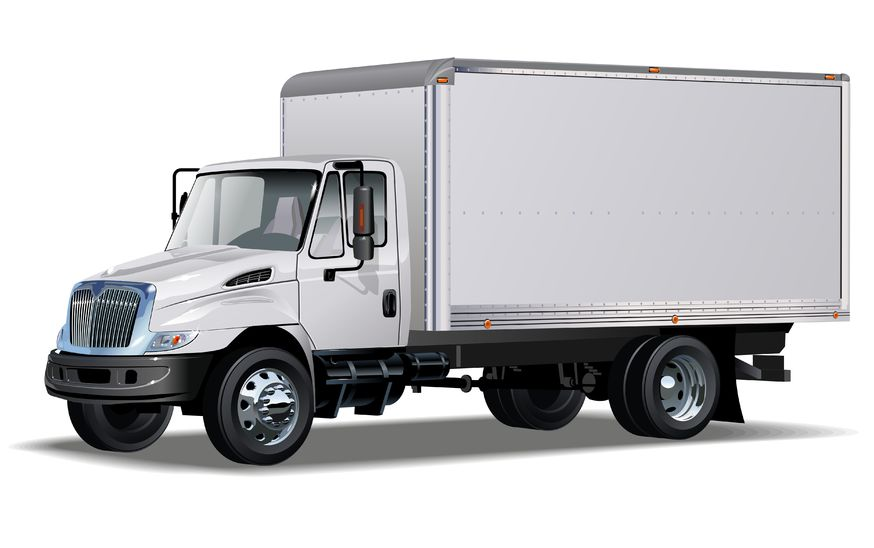
Box Truck Insurance in Cincinnati, Ohio: The Complete Guide for Owner-Operators and Fleets
If you drive a straight truck through the Cincinnati metro, you already know the roads talk back. Between the I-75/I-71 split downtown, the Norwood Lateral merges, and the hills around Mount Adams and Clifton, a 16’–26′ box truck takes a different kind of beating than a passenger car ever will. That’s exactly why box truck insurance isn’t a box to check before you get your DOT number — it’s the financial backbone of a local delivery business, a moving company, or a last-mile courier operation working the Tri-State area. This guide walks through what this coverage actually covers, what Ohio and federal rules require, what shapes your premium, and how to shop for box truck insurance the right way in Cincinnati.
Whether you’re an owner-operator leased to a motor carrier, running your own authority, or managing a small fleet of straight trucks for a growing delivery company, this guide is built for you. We’ll cover coverage types, local risk factors, cost drivers, and the mistakes that cost Cincinnati box truck owners real money every year. As e-commerce and same-day delivery demand keep expanding across the Tri-State region, more local businesses are putting straight trucks on the road for the first time, and many of them are shopping for the right protection without knowing where to start.
Who Relies on This Coverage Across Cincinnati
Straight trucks show up in more corners of the Cincinnati economy than most people realize, and each type of operator has slightly different needs when it comes to structuring a policy.
Moving and relocation companies. Local movers hauling household goods across neighborhoods like Anderson Township, Mason, and West Chester need cargo limits sized to furniture and household item values, plus liability protection for the tight residential streets they navigate daily.
Last-mile courier and delivery services. With major distribution centers along the I-75 corridor and growing e-commerce fulfillment in the region, courier operators running frequent stops need coverage built around high-frequency, low-speed risk rather than long-haul exposure.
Furniture and appliance delivery businesses. Retailers and independent delivery contractors moving big-ticket items need cargo protection that reflects real replacement costs, since a single damaged shipment can otherwise wipe out a week’s margin.
Food and beverage distributors. Local distributors supplying restaurants and grocers throughout Cincinnati typically need coverage that accounts for refrigerated cargo, frequent short stops, and tight loading dock maneuvers in urban commercial districts.
Construction supply and trade delivery. Straight trucks hauling building materials, tools, and equipment to job sites around the metro face their own mix of liability and cargo exposure, particularly when making deliveries to active construction zones.
Each of these operators needs a policy shaped around how the truck is actually used — not a generic template pulled off a shelf.
Why Box Truck Insurance Matters More in Cincinnati Than You Might Think
Box trucks look simple compared to a tractor-trailer, but insurers treat them as a distinct, higher-touch risk category — and for good reason. A 16’–26′ straight truck is usually doing stop-and-go work: multiple deliveries a day, tight urban parking, backing into loading docks, and constant interaction with pedestrians and cyclists in dense neighborhoods like Over-the-Rhine, Northside, and Hyde Park. That kind of driving pattern generates more fender-benders, more cargo claims, and more liability exposure than long-haul trucking, even though the truck itself is smaller.
Add in Cincinnati’s freight volume — the city sits at the crossroads of I-75, I-71, I-74, and I-275, and it’s a major regional hub for parcel carriers, food and beverage distribution, furniture delivery, and moving companies — and you’ve got a market where this policy is doing serious work every single day. Without the right policy in place, one bad accident on the Brent Spence Bridge or a cargo loss on a Kenwood delivery run can wipe out months of revenue. Proper box truck insurance is what keeps a single incident from becoming a business-ending event.
What Is Box Truck Insurance, Exactly?
This type of coverage is a package of commercial coverages built specifically around straight trucks used for local and regional hauling — think furniture delivery, appliance transport, parcel and courier work, moving services, and last-mile logistics. Unlike a personal auto policy or even a standard business auto policy, box truck insurance is underwritten with commercial use, cargo exposure, and DOT compliance in mind.
A properly structured policy typically includes:
- Primary Auto Liability — covers bodily injury and property damage you cause to others. This is legally required and is the foundation of any box truck insurance policy.
- Physical Damage Coverage (Comprehensive and Collision) — protects the truck itself from accidents, theft, vandalism, fire, and weather events.
- Motor Truck Cargo Insurance — covers the freight you’re hauling if it’s damaged, stolen, or lost in transit. This is essential coverage for anyone hauling goods for a customer or shipper.
- General Liability — protects against third-party injury or property damage claims that happen off the road, like at a loading dock.
- Non-Trucking Liability (Bobtail Coverage) — relevant if you’re leased to a motor carrier and driving the truck for personal use or between dispatches.
- Hired and Non-Owned Auto Coverage — useful if your business occasionally rents or borrows vehicles.
- Uninsured/Underinsured Motorist Coverage — protects you if you’re hit by a driver with insufficient coverage, which is unfortunately common on Ohio highways.
Every one of these pieces matters, but the mix you actually need depends on how your box truck is used — leased operator, independent authority, or fleet vehicle for a retail or logistics business.
Ohio and Federal Requirements That Shape Your Box Truck Insurance Policy
Before you even get to shopping for box truck insurance, it helps to understand the compliance layer sitting underneath it. Cincinnati box truck operators are subject to both Ohio state requirements and, in many cases, federal motor carrier rules.
Ohio minimum liability limits. Ohio requires commercial vehicles to carry liability limits that meet or exceed state minimums, and those minimums climb quickly for trucks over a certain weight class. Many box trucks — particularly 26,000+ lb straight trucks — fall into weight categories that trigger higher required limits than a standard passenger vehicle policy.
Federal Motor Carrier Safety Administration (FMCSA) filings. If your box truck operates in interstate commerce or crosses certain weight and use thresholds, you may need FMCSA-required filings such as BOC-3 process agent designations and MCS-90 endorsements. Your insurance carrier or agent should handle these filings as part of setting up your policy, not as an afterthought.
PUCO registration. For Ohio intrastate operations, the Public Utilities Commission of Ohio (PUCO) has its own registration and insurance filing requirements that are separate from interstate DOT authority. If you’re running local Cincinnati routes only, this is worth confirming with your agent so your box truck insurance paperwork lines up with your actual operating authority.
Leased operator requirements. If you’re leased to a motor carrier, that carrier will typically dictate specific minimum limits and required endorsements on your policy, and you’ll usually need to provide a certificate of insurance (COI) before you can start hauling under their authority.
Getting any of this wrong doesn’t just risk a compliance headache — it can void coverage entirely at the worst possible moment, which is why working with an agent who understands both the insurance side and the regulatory side of box truck insurance in Ohio is so valuable.
Cincinnati-Specific Risk Factors That Affect Your Coverage
Underwriters don’t price the policy in a vacuum — location matters, and Cincinnati has its own risk profile.
Interstate density and merge points. The I-71/I-75 split, the Norwood Lateral, and the approach to the Brent Spence Bridge are notoriously congested corridors. Box trucks making frequent lane changes in stop-and-go interstate traffic see more rear-end and sideswipe claims, which insurers factor into box truck insurance pricing for operators based in the metro.
Hills, bridges, and winter weather. Cincinnati’s hilly terrain around neighborhoods like Mount Adams, Clifton, and the Eastern hills, combined with the Ohio River crossings into Northern Kentucky, creates real winter driving risk. Ice on bridge decks and steep grades increases collision frequency for straight trucks, which shows up in loss data and, eventually, in premiums.
Urban delivery density. Frequent stops in neighborhoods like Over-the-Rhine, Hyde Park, and Oakley mean more backing incidents, more pedestrian and cyclist exposure, and more parking-related property damage claims — all things an underwriter will ask about.
Regional freight and warehouse growth. With continued distribution and warehouse growth along the I-75 corridor north of the city and near the airport in Northern Kentucky, box truck volume in the region keeps climbing, which keeps insurers competitive but also attentive to safety records and driver qualification files.
None of this means Cincinnati is an especially dangerous place to run a box truck — it just means local conditions are part of the underwriting conversation, and an agent who actually knows the Cincinnati market can position your business more accurately than a national call-center policy ever will.
What Drives the Cost of Box Truck Insurance in Cincinnati
There’s no single number for what box truck insurance costs — it depends on a handful of factors that underwriters weigh together.
Radius of operation. A box truck running strictly local Cincinnati routes is generally viewed differently than one running regional or interstate lanes across multiple states, and that radius directly affects such coverage pricing.
Cargo type and value. Hauling high-value electronics or furniture carries different cargo risk than hauling general freight, and your motor truck cargo limits within your box truck insurance policy should match what you’re actually transporting.
Driving history and experience. Clean CDL or non-CDL driving records (depending on your truck’s GVWR), years of commercial driving experience, and any prior claims history all move the needle on your premiums.
Truck age, value, and safety equipment. Newer trucks with backup cameras, collision mitigation systems, and telematics can sometimes qualify for better box truck insurance rates, since insurers view them as lower-risk.
Business structure. Owner-operators leased to a carrier, independent authority holders, and fleet owners with employees are all underwritten differently, which changes what your policy needs to include — for example, workers’ compensation becomes relevant the moment you have employees driving your trucks.
Coverage limits and deductibles. Higher liability limits and lower deductibles raise your premium; the right balance depends on your contracts, your risk tolerance, and what your leasing carrier or customers require.
Because these variables interact, two Cincinnati box truck owners with similar trucks can end up with very different box truck insurance quotes — which is exactly why shopping with an independent agency that can compare multiple carriers matters.
How to Choose the Right Box Truck Insurance Agency in Cincinnati
Not every agency understands the nuances of commercial trucking coverage, and this policy is specialized enough that generalist auto insurance agents often miss important details. Here’s what to look for.
Trucking-specific expertise. You want an agent who works with box trucks, dump trucks, tractor-trailers, and hotshot operators regularly — not someone who occasionally writes a commercial auto policy. Box truck insurance has its own vocabulary (cargo limits, non-trucking liability, trailer interchange) and you need someone fluent in it.
Access to multiple carriers. An independent agency that shops this coverage across several insurance companies, rather than representing just one carrier, is far more likely to find a policy that fits your specific operation and budget.
Fast, responsive claims support. When a claim happens, speed matters. Ask how quickly the agency responds after hours and how hands-on they are during the claims process — box truck insurance is only as good as the support behind it when something actually goes wrong.
Instant certificate of insurance access. If you’re leased to a motor carrier or working with shippers who require proof of coverage before you can pick up a load, ask whether the agency can issue a same-day or instant COI. Delays here cost you real dispatch time.
Understanding of Ohio and federal filings. Your agent should be comfortable handling BOC-3 and MCS-90 filings, PUCO registration questions, and DOT compliance issues alongside your actual policy — not treating them as separate problems for you to solve elsewhere.
Cincinnati Commercial Truck Insurance, located at 2060 Reading Rd Suite 550, Cincinnati, OH 45229, works with multiple major carriers specifically to shop box truck insurance, tractor-trailer coverage, dump truck policies, and fleet programs across Ohio. Their team handles DOT and federal filings alongside the policy itself and offers instant COI access so you’re not waiting around to get a load moving.
Local knowledge versus a national call center. A national call-center policy might quote you a number in five minutes, but it usually won’t account for the specific mix of interstate merges, hilly winter routes, and dense urban delivery zones that shape risk in Cincinnati. A local agent who writes trucking policies every day for Ohio operators is more likely to flag gaps before they become claims — things like missing non-trucking liability for a leased operator, or cargo limits that haven’t kept pace with a growing furniture delivery contract. That local perspective often ends up mattering more than a slightly lower quote from an out-of-state call center.
Common Mistakes Cincinnati Box Truck Owners Make with Insurance
Underinsuring cargo. Assuming your general liability covers freight loss is a common and expensive mistake — cargo coverage is a distinct line item within the policy, and limits need to match what you actually haul.
Letting a policy lapse between loads. Owner-operators sometimes cancel or let box truck insurance lapse during slow periods, not realizing a lapse can make it harder — and more expensive — to get reinsured later, and can violate lease agreements with motor carriers.
Misclassifying vehicle use. Declaring a box truck as “personal use” or under the wrong radius classification to save money on premiums is a fast way to have a claim denied. The coverage is priced and written based on actual use, and misrepresenting it puts your entire policy at risk.
Skipping non-trucking liability. Leased operators who assume the motor carrier’s policy covers them at all times sometimes get caught without protection during personal use of the truck between dispatches — non-trucking liability closes that specific gap.
Not reviewing coverage as the business grows. A policy written for a single owner-operator doesn’t automatically scale to a three-truck fleet with employees. As your Cincinnati operation grows, your box truck insurance needs to be revisited, not just renewed on autopilot.
Frequently Asked Questions About Box Truck Insurance in Cincinnati
Do I need commercial insurance for a box truck, or will personal auto coverage work? Personal auto policies exclude commercial use, so hauling freight, making deliveries, or operating under a DOT number requires a commercial policy — a personal policy simply won’t pay a claim tied to business use.
How much does box truck insurance cost in Cincinnati? Costs vary widely based on radius of operation, cargo type, driving history, and coverage limits, so getting a quote based on your specific operation is the only way to get an accurate number.
Is cargo insurance included automatically in the policy? Not always — motor truck cargo coverage is often a separate line item that needs to be specifically added and sized to the value of what you’re hauling, so it’s worth confirming with your agent rather than assuming it’s bundled in.
What happens if I let my box truck insurance lapse? A lapse can affect your ability to get reinsured at a good rate later, may violate lease agreements with a motor carrier, and leaves you completely exposed if an accident happens during the gap — even a short lapse is worth avoiding.
Can one agency handle both my insurance and my DOT filings? Yes — many trucking-focused agencies, including Cincinnati Commercial Truck Insurance, handle BOC-3 and MCS-90 filings alongside your policy so you’re not coordinating multiple vendors for one operation.
What are Ohio’s minimum liability requirements for a box truck? Ohio’s minimums scale with vehicle weight and use, and many straight trucks over 26,000 lbs fall into categories that require higher limits than a standard passenger auto policy, so it’s worth confirming your specific classification with an agent rather than assuming a flat statewide number applies.
How quickly can I get a policy in place before a load? Many Cincinnati agencies can bind coverage and issue a certificate of insurance the same day, which matters if a motor carrier or shipper needs proof of coverage before you’re cleared to haul a load.
Getting a Box Truck Insurance Quote in Cincinnati
If you’re operating a box truck anywhere in the Cincinnati metro — from Over-the-Rhine to Blue Ash, from Norwood to Northern Kentucky border routes — the right box truck insurance policy is what stands between a normal Tuesday and a business-ending claim. The goal isn’t just to find the cheapest such coverage quote; it’s to find coverage that actually matches how you operate, holds up under a real claim, and keeps you compliant with Ohio and federal rules along the way.
Cincinnati Commercial Truck Insurance works with owner-operators and fleets across Ohio to build box truck insurance policies from the ground up, shopping multiple carriers to find the right fit rather than pushing a one-size-fits-all package. Their team can also help with related coverage — tractor-trailer, dump truck, flatbed, cargo van, and fuel hauler insurance — if your operation includes more than just straight trucks.
Ready to get covered? Call Cincinnati Commercial Truck Insurance at (513) 776-2414 or request an online quote to get your policy built around your actual routes, cargo, and business — not a generic template.
