
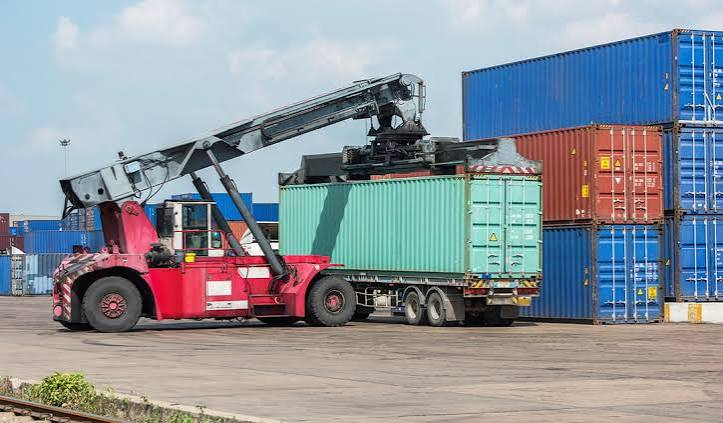
Intermodal Trucking Insurance in Cincinnati, Ohio: The Complete Guide for Owner-Operators and Fleets
If you haul containers in and out of the Queen City, you already know Cincinnati is one of the busiest intermodal corridors in the Midwest. Between CSX’s Queensgate Yard, Norfolk Southern’s Gest Street and Sharonville terminals, and the interstate web of I-75, I-71, and I-275, drayage carriers here move an enormous volume of freight every single day. That volume comes with real exposure, which is exactly why intermodal trucking insurance matters so much to the drivers and fleet owners who keep those containers moving. In this guide, we’ll break down what this specialized coverage actually covers, why Cincinnati’s rail-heavy freight network changes your risk profile, what drives your premium up or down, and how to shop for a policy that actually protects your operation instead of leaving gaps in your coverage.
What Is Intermodal Trucking Insurance?
Intermodal trucking insurance is a specialized form of commercial trucking coverage built for carriers and owner-operators who move containers between rail yards, ports, and shipping facilities and their final destination by truck. Unlike a standard over-the-road policy, this kind of coverage has to account for chassis exposure, trailer interchange agreements, tight yard maneuvering, and the unique liability that comes with hauling equipment you don’t own. A typical policy in this category bundles several coverages together: primary auto liability, cargo insurance, physical damage, trailer interchange, and general liability, along with the federal filings that let you legally operate under your motor carrier authority.
The reason intermodal trucking insurance exists as its own category is simple: drayage work looks nothing like long-haul trucking on paper. A drayage driver might make ten short trips a day between a rail yard and a warehouse, coupling and uncoupling chassis that belong to a steamship line or leasing company, not the driver. Every one of those interchanges is a moment where liability can shift, and a generic commercial auto policy usually isn’t written to handle it. Add in the paperwork trail behind every chassis swap, and you can see why underwriters treat drayage as its own risk category rather than a subset of long-haul trucking. That’s why carriers serving Cincinnati’s rail terminals need coverage that’s actually built around the realities of container drayage, not a repackaged long-haul policy with a new label.
Why Cincinnati Is an Intermodal Trucking Hub
Cincinnati sits at the intersection of three major interstates and two Class I railroads, which is exactly why intermodal trucking insurance is such a common search for local carriers. CSX operates the Queensgate Intermodal Terminal just west of downtown, one of the largest classification yards in the region, while Norfolk Southern runs both the Gest Street Intermodal Terminal near downtown and the Sharonville Terminal to the north. Add in the Cincinnati/Northern Kentucky International Airport’s growing air-cargo footprint and Ohio River barge traffic, and you have a metro area where trucks are constantly bridging the gap between rail, air, water, and the highway.
That density of freight activity is a huge opportunity for owner-operators and small fleets, but it also means more short-radius trips, more time spent idling in congested yard queues, more coupling and uncoupling of chassis, and more exposure to the kind of low-speed collisions that happen in tight rail-yard lanes. Every one of those factors feeds directly into how an underwriter prices intermodal trucking insurance for a Cincinnati-based carrier. Drivers running loads along I-75 between Queensgate and Sharonville, or crossing the Ohio River into Northern Kentucky on repeat, need a policy that reflects how often they’re in and out of a yard, not just how many miles they log in a year. Even a carrier that runs mostly local drayage routes can rack up dozens of gate transactions a week, and each one carries a small but real chance of a coupling mishap, a scrape against a chassis frame, or a dispute over pre-existing trailer damage. Underwriters who specialize in this space know to price for that frequency rather than treating a Cincinnati drayage operation the same as a carrier that logs long, uneventful interstate miles.
Coverage Types Included in Intermodal Trucking Insurance
A well-built intermodal trucking insurance policy in Cincinnati typically layers together several distinct coverages. Here’s what should be on your radar when you’re comparing quotes.
Motor Truck Cargo Insurance
Cargo coverage protects the containers and freight you’re hauling from the moment you take possession at the rail yard until you hand it off at its destination. For carriers pulling high-value or sensitive freight out of Queensgate or Gest Street, this is one of the most important pieces of any intermodal trucking insurance package, since a single damaged or lost container can wipe out months of profit without the right limits in place.
Trailer Interchange Coverage
Because drayage drivers pull chassis and containers they don’t own, trailer interchange coverage is a non-negotiable part of intermodal trucking insurance. This coverage protects you against physical damage to the chassis or trailer while it’s in your possession under an interchange agreement with a rail line or leasing company, which is exactly the kind of liability a standard commercial auto policy typically excludes.
Physical Damage Coverage
Comprehensive and collision coverage protect your own truck or tractor against damage from accidents, theft, fire, vandalism, or weather. Given how much time Cincinnati drayage drivers spend navigating tight rail-yard lanes and congested surface streets near Queensgate and Sharonville, physical damage coverage is a core building block of any solid intermodal trucking insurance policy.
General Liability and Non-Trucking Liability
General liability protects your business from third-party bodily injury and property damage claims that fall outside your auto policy, while non-trucking liability covers you during personal use of your truck when you’re not under dispatch. Both are common add-ons to intermodal trucking insurance for owner-operators who lease on to a motor carrier but still want protection when the truck isn’t actively hauling.
DOT and Federal Filings (BOC-3, MCS-90)
Before you can legally operate, you’ll need the right federal filings on record, including BOC-3 process agent designations and MCS-90 endorsements. A good agency handling your coverage will manage these filings for you and make sure your DOT number stays active and compliant.
Why Intermodal Drivers in Cincinnati Need Specialized Coverage
Standard commercial auto insurance simply wasn’t designed for the way drayage operators work. A driver hauling for a retailer might drive a thousand miles a week on interstates with predictable routes and minimal coupling activity. A Cincinnati drayage driver, by contrast, might complete a dozen short hauls a day between Queensgate, Gest Street, and local distribution centers, coupling and uncoupling chassis multiple times per shift. That pattern of activity creates a different risk profile, and it’s exactly why this coverage exists as its own product line rather than a rider on a generic policy.
There’s also the matter of contractual requirements. Most rail lines, steamship companies, and drayage brokers won’t let you pull their equipment without proof of specific coverage limits, often including trailer interchange and cargo coverage well above what a standard policy provides. If your policy doesn’t match what’s required in your interchange agreement, you could find yourself turned away at the gate or, worse, personally liable for damage to equipment you thought was covered. Working with an agency that understands the interchange agreements used at Queensgate and Gest Street helps make sure your intermodal trucking insurance actually lines up with what the rail lines require. It’s worth pulling out your interchange agreement and checking the stated limits line by line before you bind coverage, since a mismatch often isn’t discovered until a claim is already on the table.
Finally, Cincinnati’s mix of urban surface streets, elevated highway interchanges, and rail-yard congestion adds a layer of accident risk that underwriters take seriously. Low-speed collisions in queue lines, sideswipes in tight yard lanes, and damage from repeated coupling cycles are all more common in drayage work than in long-haul trucking, and they all factor into how intermodal trucking insurance gets priced and structured for a Cincinnati-based fleet.
Cost Factors for Intermodal Trucking Insurance in Cincinnati
There’s no single number that applies to every carrier, since intermodal trucking insurance premiums depend on a range of factors specific to your operation. Insurers typically weigh:
- Driving history and experience – A clean CSA score and years of drayage-specific experience can meaningfully lower your premium.
- Fleet size and equipment age – Newer tractors with modern safety features often qualify for better rates than older equipment.
- Radius of operation – Short-radius drayage around Queensgate, Gest Street, and Sharonville is rated differently than long-haul intermodal work that ranges across state lines.
- Coverage limits – Higher cargo and trailer interchange limits required by rail-line interchange agreements will raise the cost of coverage, but they also close gaps that could otherwise put your business at risk.
- Claims history – Prior losses, especially cargo claims or chassis damage, tend to push up the cost of intermodal trucking insurance at renewal.
- Number of interchange partners – Carriers who pull equipment from both CSX and Norfolk Southern facilities may see different pricing than those who work with a single rail line, since each interchange agreement carries its own set of required limits.
- Driver turnover – Fleets with high driver turnover often pay more, since underwriters weigh the added risk of less-experienced drivers learning yard procedures at Queensgate, Gest Street, or Sharonville for the first time.
Because so many of these variables are specific to drayage work, it’s worth getting quotes from an agency that regularly writes this coverage for Cincinnati-area carriers rather than a generalist agent who mostly handles long-haul fleets. A specialist will know how to shop your risk to carriers who understand rail-yard exposure and won’t overprice you for factors that don’t actually apply to your operation. They can also help you decide where it makes sense to raise a deductible to lower your premium and where it doesn’t, since cutting corners on trailer interchange limits tends to backfire the moment a rail line inspects a returned chassis.
How to Choose the Right Intermodal Trucking Insurance Provider
Not every insurance agency understands drayage the way it needs to be understood. When you’re comparing options for intermodal trucking insurance in Cincinnati, look for a few specific things.
First, ask whether the agency has direct experience writing policies for carriers operating out of Queensgate, Gest Street, or Sharonville specifically. An agent who knows the local interchange agreements and terminal requirements can save you from buying coverage that technically meets a minimum but doesn’t actually satisfy what the rail line demands at the gate.
Second, confirm the agency works with multiple carriers rather than a single insurance company. Because underwriting for this niche varies so much between carriers, an independent agency that can shop your risk across several markets will typically land you better pricing and broader coverage than one tied to a single provider.
Third, look for fast claims support and same-day certificate of insurance access. In drayage work, you often need to prove coverage on short notice just to get through a rail-yard gate, so an agency offering instant COI access is a meaningful advantage when your policy needs to be verified on the spot.
Finally, make sure the agency understands your specific equipment, whether that’s tractor-trailers, box trucks, flatbeds, or cargo vans supporting last-mile moves from the rail yard. Intermodal trucking insurance isn’t one-size-fits-all, and a provider who tailors coverage to your actual equipment mix will serve you better than a generic package policy.
Common Mistakes to Avoid When Buying Intermodal Trucking Insurance
Even experienced owner-operators sometimes get caught out by gaps in their coverage. Here are a few mistakes worth avoiding.
Underinsuring trailer interchange coverage. Rail lines and leasing companies often require specific limits, and buying the state minimum on your policy can leave you personally on the hook for chassis damage that exceeds your policy.
Assuming a long-haul policy covers drayage work. A policy built for interstate long-haul trucking may not adequately price or cover the short-radius, high-frequency nature of drayage, which is exactly the gap that purpose-built intermodal trucking insurance is designed to close.
Letting DOT filings lapse. BOC-3 and MCS-90 filings need to stay current, and a lapse can shut down your operating authority even if your underlying policy is active and paid up.
Not reviewing coverage after adding equipment. Adding a truck, chassis, or new lane to your operation without updating your policy can leave new equipment uninsured, so it’s worth reviewing your intermodal trucking insurance any time your operation changes.
Overlooking gap coverage between carriers. If you switch which rail line or drayage broker you primarily haul for, double-check that your interchange and cargo limits still match the new interchange agreement rather than assuming your existing policy automatically carries over.
Choosing price over fit. The cheapest quote isn’t always the best value if it doesn’t meet the interchange requirements at Queensgate or Gest Street, and finding that out after an incident is the worst possible time.
Staying Compliant: Ohio and Federal Requirements for Drayage Carriers
Beyond the policy itself, Cincinnati drayage operators have to juggle a handful of compliance requirements that directly affect whether their coverage even applies. Your DOT number and MC authority need to stay active, your BOC-3 process agent designation has to be on file in every state you operate through, and your MCS-90 endorsement needs to match the liability limits Ohio and federal regulators expect for interstate motor carriers. None of these filings replace intermodal trucking insurance, but they work alongside it, and a lapse in any one of them can create a compliance headache even when your underlying coverage is fully paid up.
Rail lines add another layer on top of state and federal rules. Queensgate, Gest Street, and Sharonville each maintain their own gate requirements, and carriers are typically asked to provide a current certificate of insurance before a driver is issued a transponder or credential to access the yard. Keeping a digital copy of your certificate on hand, and working with an agency that can issue an updated one the same day equipment or coverage changes, keeps your trucks moving instead of sitting outside the gate waiting on paperwork. This is one more reason drayage carriers tend to do better with an agency that specializes in this coverage rather than a generalist who only handles a handful of trucking accounts.
Frequently Asked Questions About Intermodal Trucking Insurance
Does this type of coverage cost more than standard commercial truck insurance? It depends on your operation, but drayage work often does carry a different premium than long-haul trucking because of the added trailer interchange exposure and the sheer frequency of coupling and uncoupling at rail yards like Queensgate and Gest Street. That said, a policy built specifically for drayage can actually be more cost-effective than trying to force a long-haul policy to cover work it wasn’t priced for.
Can owner-operators leased to a motor carrier still buy their own drayage coverage? Yes. Many owner-operators leased to a carrier still need their own non-trucking liability and physical damage coverage, and some choose to carry their own cargo and interchange coverage as well, depending on what their lease agreement requires.
What happens if I show up at Queensgate or Gest Street without a valid certificate of insurance? You’ll typically be turned away at the gate until proof of current coverage is provided, which is why same-day COI access from your agency matters so much for drayage carriers running tight schedules.
Is trailer interchange coverage required by law, or just by the rail lines? It’s generally a contractual requirement written into your interchange agreement with the rail line or leasing company rather than a state or federal mandate, but skipping it leaves you personally exposed for chassis damage, so most agencies treat it as essential rather than optional.
How often should I review my intermodal trucking insurance policy? At minimum, review it at every renewal, but it’s smart to revisit your coverage any time you add a truck, change routes, start pulling from a new rail terminal, or bring on new drivers, since any of those changes can shift how your policy needs to be structured.
Do I need different coverage for CSX Queensgate versus Norfolk Southern’s terminals? The underlying insurance product doesn’t usually change based on which rail line you’re pulling from, but the specific limits and endorsements required can differ between interchange agreements, so it’s worth confirming your policy satisfies each terminal’s requirements individually rather than assuming one certificate covers every gate.
Get a Cincinnati Intermodal Trucking Insurance Quote Today
Whether you’re an owner-operator running drayage between CSX Queensgate and local distribution centers, or you manage a growing fleet serving Norfolk Southern’s Gest Street and Sharonville terminals, the right intermodal trucking insurance policy protects your equipment, your cargo, and your business from the risks that come with rail-yard work. Cincinnati Commercial Truck Insurance works with multiple carriers to build coverage packages tailored to drayage operators throughout Cincinnati and the surrounding Ohio and Northern Kentucky region, with fast claims support and instant certificate of insurance access when you need to prove coverage at the gate.
If you’re ready to compare intermodal trucking insurance options built specifically for Cincinnati’s rail and highway network, call (513) 776-2414 or request an online quote today. Our team will walk through your equipment, your routes, and your interchange requirements to put together a policy that actually fits how you operate, not a generic package that leaves you exposed the first time it’s tested.
