
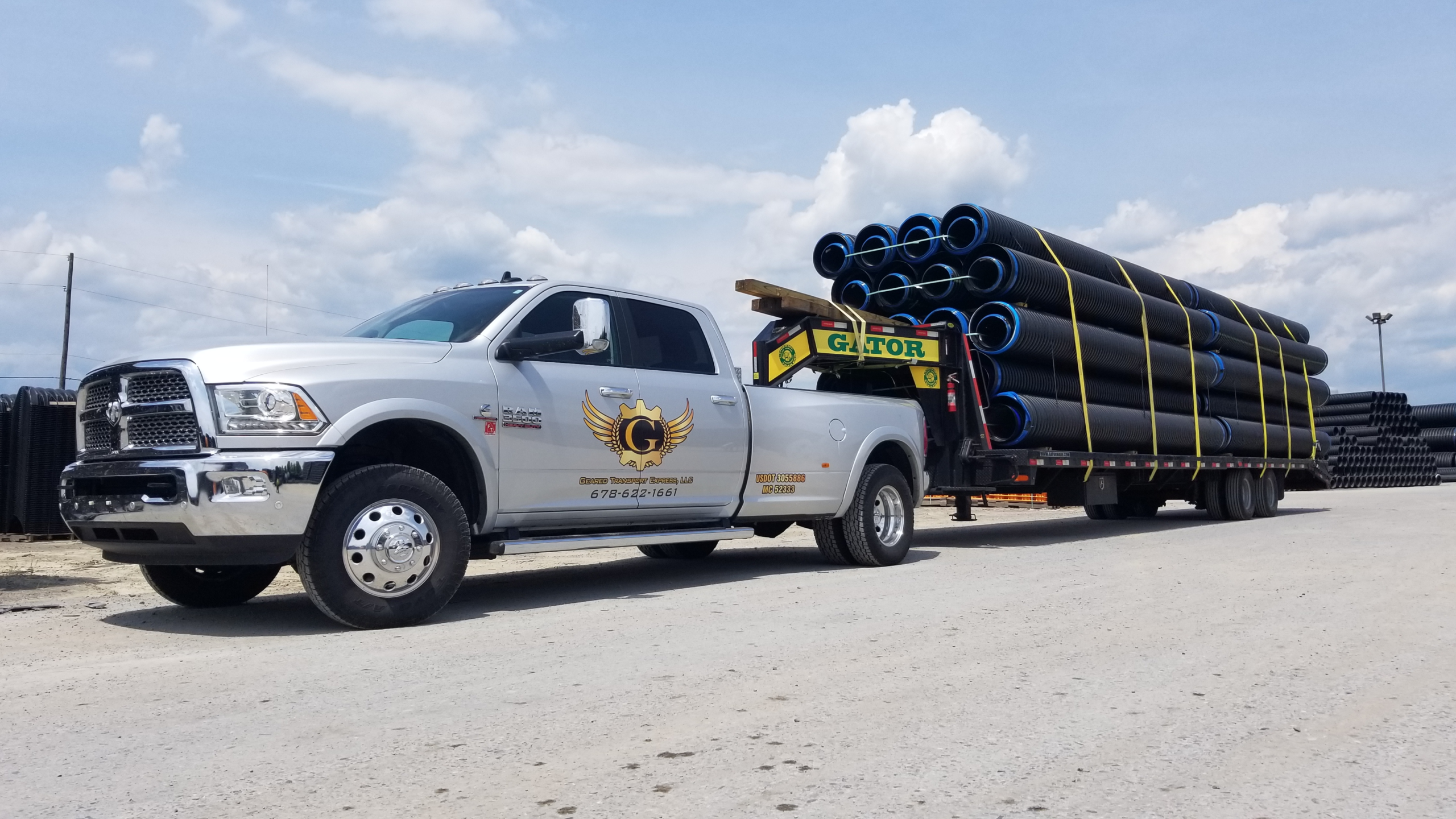
Hotshot Trucking Insurance in Cincinnati, Ohio: The Complete 2026 Guide for Owner-Operators
If you run a hotshot rig anywhere between the Brent Spence Bridge and the Norwood Lateral, you already know the hustle. You’re chasing time-sensitive freight, jumping between I-75, I-71, and I-275, and trying to keep your pickup-and-trailer combo profitable in one of the busiest logistics corridors in the Midwest. What you might not have locked down yet is the right hotshot trucking insurance policy to protect all of it. At Cincinnati Commercial Truck Insurance, we talk to hotshot owner-operators every single week who are underinsured, overpaying, or both — and this guide exists to fix that before it costs you a contract, a customer, or your operating authority.
Cincinnati is a hotshot hub whether people realize it or not. Between the CVG air cargo hub just across the river in Hebron, Kentucky, the DHL Americas superhub, the Amazon fulfillment network ringing the metro, and manufacturers like Procter & Gamble, GE Aviation, and Kroger’s distribution network all needing expedited freight moved fast, there’s no shortage of work for a hotshot driver with a reliable truck and the right paperwork. But none of that freight matters if you’re hauling it without the proper coverage in place. This post walks through what this type of coverage actually is, why Cincinnati and Ohio operators need protection built for this specific niche, what a policy tends to cost, and how to get one bound quickly so you can keep rolling.
What Is Hotshot Trucking Insurance, Exactly?
This coverage is a specialized form of commercial auto coverage built for owner-operators who haul time-sensitive, often smaller loads using a heavy-duty pickup truck paired with a gooseneck, flatbed, or tilt-deck trailer. It’s different from standard tractor-trailer coverage because the vehicle configuration, the freight type, and the risk profile are all different. A hotshot driver in Cincinnati might be running construction equipment out to a jobsite in West Chester one day and hauling an oversized part to a factory in Hamilton the next. A well-built policy is designed around that flexibility rather than forcing a square peg into a round hole.
A properly structured hotshot trucking insurance policy typically includes:
- Commercial auto liability — covers bodily injury and property damage if you’re at fault in an accident
- Physical damage coverage — comprehensive and collision protection for your truck and trailer
- Motor truck cargo insurance — protects the freight you’re hauling against loss or damage
- General liability — covers non-auto business exposures like loading and unloading incidents
- Non-trucking liability (NTL) — protects you when you’re driving under your own authority but not under dispatch
- Trailer interchange coverage — if you’re pulling a trailer you don’t own
Without coverage built specifically for this niche, you’re either underinsured for the freight you’re actually hauling or you’re stuck paying premiums structured for a completely different type of trucking operation. Neither situation is good for your bottom line, and neither one is what hotshot trucking insurance is meant to solve.
Why Cincinnati Hotshot Drivers Need Localized Coverage
Ohio’s insurance requirements, road conditions, and freight patterns all shape what a smart hotshot trucking insurance policy looks like here. A generic, national call-center policy doesn’t account for the fact that Cincinnati sits at the intersection of three interstates, borders two other states within a twenty-minute drive, and deals with winter ice on the hills around Mount Adams and Clifton that other regions simply don’t see.
Here’s why local expertise matters when you’re shopping for coverage in this market:
Interstate density means more exposure. I-75, I-71, and I-275 funnel an enormous amount of freight traffic through Cincinnati every day. More traffic density means more accident exposure, and your insurance carrier needs to price that risk accurately instead of relying on a nationwide average.
Tri-state operations complicate authority and coverage. Plenty of Cincinnati-based hotshot operators cross into Kentucky and Indiana on a regular basis. If your policy isn’t structured to handle interstate operating authority, you could find yourself with a gap in coverage the moment you cross the Ohio River.
Ohio’s weather adds real risk. Ice storms, black ice on overpasses, and sudden temperature swings between Cincinnati’s river valley and the surrounding hills create real accident risk for a top-heavy pickup-and-trailer rig. Your coverage should reflect that seasonal exposure, not ignore it.
Local freight brokers and contracts often require specific limits. Many of the brokers and shippers around Cincinnati — including those tied to the CVG cargo hub — require a million dollars in liability coverage and proof of cargo insurance before they’ll even let you bid on a load. If your hotshot trucking insurance doesn’t meet those minimums, you’re leaving money on the table before you even start.
What Does Hotshot Trucking Insurance Cost in Cincinnati?
This is the question we get asked the most, and the honest answer is: it depends on several factors. That said, most Cincinnati-area owner-operators shopping for hotshot trucking insurance can expect monthly premiums that fall somewhere between a few hundred dollars and over a thousand dollars, depending on the specifics of the operation.
Factors that affect your premium include:
- Your driving record. A clean CDL or non-CDL driving history keeps rates lower. Accidents, moving violations, and DOT points push premiums up.
- Years of trucking experience. New authority operators typically pay more than drivers with three-plus years of verifiable experience.
- The truck and trailer you’re running. A newer one-ton diesel pickup with a well-maintained gooseneck trailer is a lower risk than an older rig with deferred maintenance.
- Radius of operation. Local Cincinnati-only routes typically cost less to insure than long-haul, multi-state hotshot operations.
- Freight type. Hauling construction equipment is priced differently than hauling general freight or hazardous materials.
- Liability limits selected. Higher limits — often required by brokers — increase your premium but also increase your ability to win better-paying contracts.
- Claims history. Prior cargo claims or liability claims will raise the cost of your policy significantly.
The good news is that because we work with multiple carriers rather than a single insurance company, we can shop your coverage across several markets simultaneously and find the coverage that actually fits your operation instead of forcing you into a one-size-fits-all policy.
Common Mistakes We See Ohio Hotshot Operators Make
After years of writing hotshot trucking insurance policies for Cincinnati-area owner-operators, a handful of mistakes come up again and again. Avoiding these can save you thousands of dollars and, in some cases, save your operating authority entirely.
Mistake #1: Assuming a personal auto policy extends to hotshot work. It doesn’t. The moment you’re hauling freight for compensation, your personal auto insurer can deny a claim entirely, leaving you exposed for the full cost of an accident and any resulting lawsuit.
Mistake #2: Skipping non-trucking liability coverage. If you lease onto a motor carrier but also run your own authority on the side, you need non-trucking liability built into your policy so you’re covered any time you’re behind the wheel, whether you’re under dispatch or not.
Mistake #3: Underinsuring cargo value. Hotshot loads often involve expensive equipment or specialized parts. If your motor truck cargo coverage limit is too low, a single claim could wipe out your reserves and put your operation on hold.
Mistake #4: Not shopping around. Many Cincinnati hotshot operators renew the same policy year after year without checking whether a better-priced hotshot trucking insurance option exists elsewhere. Rates and underwriting appetite shift constantly, and loyalty to one carrier rarely pays off in this industry.
Mistake #5: Ignoring DOT and MCS-90 filing requirements. Depending on your authority type, you may need specific federal filings alongside your coverage. Missing these can shut your operation down even if the policy itself is solid.
Mistake #6: Letting coverage lapse between loads. Some owner-operators try to save money by pausing coverage during slow seasons. A lapse can trigger higher future premiums and, worse, leaves you completely exposed if you take an emergency load during that gap.
Mistake #7: Choosing price over fit. The cheapest quote isn’t always the smartest option. A policy with the right limits, the right endorsements, and a carrier that understands hotshot trucking insurance will often serve you better over the life of your business than a bare-bones plan that looks good on paper.
Ohio and Federal Requirements That Affect Your Policy
Whether you’re running under your own DOT authority or leased onto a carrier, there are baseline requirements that shape what your hotshot trucking insurance policy needs to include:
- Minimum liability limits. Federal regulations generally require at least $750,000 in liability coverage for most for-hire carriers, though many brokers and shippers ask for a full $1,000,000. Your policy should be structured to meet whichever threshold your contracts demand.
- BOC-3 process agent filings. If you’re running interstate, you’ll need this filing in place alongside your insurance documentation.
- MCS-90 endorsement. This federally required endorsement is often bundled directly into a properly written policy.
- Ohio Bureau of Motor Vehicles registration compliance. Your vehicle registration and insurance filings need to match up, especially if you’re operating a one-ton pickup registered for commercial use.
- Certificate of Insurance (COI) on demand. Brokers around Cincinnati will ask for a COI before you’re allowed to haul their freight. Carriers who can issue an instant COI login save you from scrambling before every new contract.
Getting all of this right the first time is exactly why so many hotshot operators around Cincinnati choose to work with an independent agency instead of trying to piece together hotshot trucking insurance directly through a call center that doesn’t know Ohio’s specific requirements or the local freight market.
Choosing the Right Hotshot Trucking Insurance Partner in Cincinnati
Not every agency understands hotshot operations, and that gap shows up the moment you file a claim or need a policy adjusted mid-term. When you’re evaluating hotshot trucking insurance providers in the Cincinnati market, look for a few specific things.
Multiple carrier access. An agency that only represents one insurance company can only offer you one set of rates and one underwriting appetite. An agency that shops multiple carriers can actually compare options and find the best combination of price and coverage for your specific rig and route.
Real trucking industry expertise. This type of coverage isn’t the same product as a standard business auto policy, and an agent who doesn’t understand the difference between a gooseneck trailer and a dry van will struggle to build you the right protection.
Fast, responsive claims support. When something happens on I-75 at two in the morning, you need an agency that answers the phone, not a call tree that keeps you on hold while your truck sits on the shoulder.
Instant Certificate of Insurance access. The ability to log in and generate your own COI on demand means you’re never stuck waiting on an office to open before you can accept a load.
Local, on-the-ground knowledge. An agency based in Cincinnati understands the specific interstate corridors, weather patterns, and freight brokers active in this market, which translates into more accurately priced hotshot trucking insurance for the people who actually drive these roads every day.
At Cincinnati Commercial Truck Insurance, this is exactly the model we built our agency around. We work with multiple major insurance carriers, we specialize in trucking — including hotshot, flatbed, dump truck, box truck, and tractor-trailer operations — and we’re available 24/7 because we know freight doesn’t stop moving just because the sun goes down.
How to Get a Hotshot Trucking Insurance Quote Fast
Getting the right coverage in place doesn’t need to take days. Here’s what speeds up the process when you’re ready to bind a policy:
- Have your DOT and MC number ready, if you’re operating under your own authority.
- Know your vehicle details — year, make, model, and VIN for both your truck and trailer.
- Have your driving record accessible, including years of experience and any prior claims.
- Know your typical freight type and radius of operation, since this directly shapes your premium.
- Decide on your liability limits, keeping in mind what your target brokers or shippers require.
Once we have those details, we can shop your coverage across our carrier network and typically get quotes back the same day. Many Cincinnati hotshot operators are able to bind coverage and get an instant Certificate of Insurance before they’ve even finished their coffee.
Why Local Matters: Coverage Built for the Cincinnati Freight Market
Cincinnati isn’t just another dot on the map for freight — it’s a genuine logistics crossroads. Trucks moving through Queensgate, over the Combs-Hehl Bridge, or along the Norwood Lateral are part of a supply chain that stretches from the CVG air cargo hub to manufacturing plants across the Ohio Valley. Hotshot drivers fill a critical gap in that system, hauling the loads that are too small for a full tractor-trailer but too urgent to wait for a standard freight schedule.
That’s exactly why generic, out-of-state hotshot trucking insurance providers often fall short. They don’t know that a load leaving a jobsite in Blue Ash might cross three county lines and two state borders before it’s delivered. They don’t understand that winter operations near the hills of Mount Airy Forest carry different risk than flat interstate miles in the middle of summer. A Cincinnati-based agency writing this kind of coverage day in and day out understands these nuances and builds policies that actually reflect them, rather than relying on a nationwide template that was never designed with Ohio’s roads in mind.
It also helps to work with people who understand the rhythm of the business. Hotshot loads come in fast, dispatch calls happen at odd hours, and a driver who just got a same-day job to Dayton or Columbus doesn’t have time to wait around for a callback. An agency that treats this coverage as a specialty rather than an afterthought builds its entire process — quoting, binding, and issuing certificates — around that pace.
The Real Cost of Going Without Proper Coverage
It’s worth spending a moment on what happens when a hotshot operator skips this step or cuts corners on it. A single at-fault accident without adequate liability coverage can result in a judgment that follows you for years, well beyond whatever your truck and trailer are worth. A cargo claim with no motor truck cargo coverage means you’re paying out of pocket to replace a customer’s freight, on top of losing that customer’s trust and future business. And if a broker or shipper discovers your Certificate of Insurance doesn’t match what your contract requires, you can be pulled off a load — or blacklisted from future ones — overnight.
None of this is meant to scare you; it’s meant to illustrate why this coverage isn’t a line-item expense to minimize, it’s the foundation that lets you take on bigger contracts with confidence. Brokers and shippers around Cincinnati routinely favor operators who can produce clean, high-limit coverage documents quickly, because it tells them you run a serious operation. That reputation compounds over time, often translating into better freight, more consistent work, and stronger long-term rates.
Frequently Asked Questions About Hotshot Trucking Insurance in Cincinnati
Do I need hotshot trucking insurance if I only haul part-time? Yes. Even part-time or side-gig hotshot operations need commercial coverage. Personal auto policies almost universally exclude for-hire hauling, so any compensated freight movement requires proper hotshot trucking insurance regardless of how many hours a week you’re on the road.
Can I get hotshot trucking insurance with a new operating authority? Yes, though rates are typically higher for new authorities. As your experience builds and your claims history stays clean, your premiums generally improve at renewal.
What’s the difference between hotshot trucking insurance and standard trucking insurance? Standard trucking insurance is typically built around full tractor-trailer combinations, while hotshot trucking insurance is structured specifically for pickup-and-trailer setups hauling smaller, time-sensitive loads. The risk profile, vehicle type, and typical freight are different enough that the coverage should be too.
Is cargo insurance included in hotshot trucking insurance, or is it separate? Motor truck cargo coverage is usually built directly into a comprehensive package, though limits can vary based on the freight you typically haul.
How fast can I get hotshot trucking insurance in Cincinnati? With the right information on hand — DOT/MC number, vehicle details, and driving history — most Cincinnati hotshot operators can get a bound policy and an instant Certificate of Insurance the same day.
Does my hotshot trucking insurance need to change if I add a second truck? Yes. Adding a truck, a trailer, or a driver changes your risk profile, and your policy needs to be updated to reflect the full scope of your operation. This is another reason working with a responsive local agency pays off — updates can happen quickly instead of sitting in a queue.
Get Your Hotshot Trucking Insurance Quote Today
Running a hotshot operation in Cincinnati means constant motion — new loads, new brokers, new routes across I-75, I-71, and I-275, and new opportunities tied to the freight moving through the CVG cargo hub and beyond. The one thing that shouldn’t be constantly in flux is your coverage. Getting the right protection in place protects your truck, your trailer, your freight, and your ability to keep working when something unexpected happens on the road.
Cincinnati Commercial Truck Insurance has spent years helping owner-operators across Hamilton County and the greater Ohio Valley get properly covered, fast. We shop your policy across multiple major carriers, we understand the specific risks tied to this market, and we can get you an instant Certificate of Insurance so you’re never stuck waiting to accept your next load.
If you’re ready to get a hotshot trucking insurance quote built specifically around your Cincinnati operation, call us today at (513) 776-2414 or request an online quote. Our team is available around the clock because we know your freight doesn’t wait, and neither should your coverage.
