
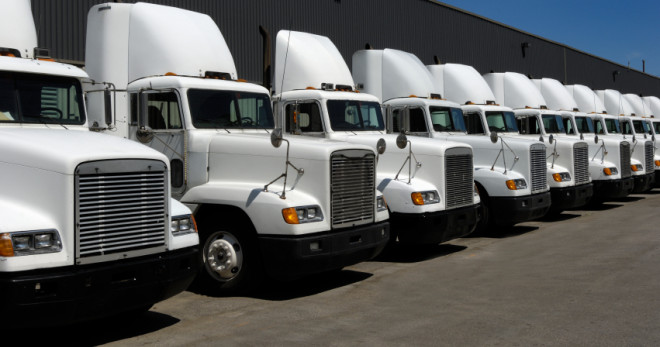
Fleet Insurance in Cincinnati, Ohio: The Complete Guide for Trucking Companies
If you run more than one commercial truck out of the Cincinnati area, you already know that a single misstep in coverage can cost you a contract, a client, or your entire operation. That’s exactly why fleet insurance exists — and why getting it right matters more in a logistics hub like Cincinnati than almost anywhere else in Ohio.
Cincinnati sits at the crossroads of I-75 and I-71, minutes from the Ohio River, CVG International Airport, and some of the busiest freight lanes in the Midwest. Trucking companies based here move everything from steel and lumber to fuel and construction debris through downtown, over the Brent Spence Bridge, and out toward Columbus, Dayton, Indianapolis, and Louisville. With that much freight moving through one metro area, having the right coverage in place isn’t optional — it’s the backbone of a compliant, profitable trucking business.
In this guide, we’ll break down what a fleet insurance policy actually covers, why Cincinnati trucking companies need one, how much it typically costs in Ohio, what factors affect your rate, and how to choose the right provider for your operation. Whether you run three box trucks out of Reading Road or manage forty tractor-trailers rolling through the Queen City every day, this article will help you understand exactly what you’re buying and why it matters.
What Is Fleet Insurance?
Fleet insurance is a single commercial policy that covers multiple vehicles owned or operated by one business, rather than insuring each truck individually. Instead of juggling five, ten, or fifty separate auto policies, a Cincinnati trucking company can bundle every vehicle — tractors, trailers, box trucks, dump trucks, cargo vans — under one policy, with one renewal date, one point of contact, and often a more efficient combined premium.
A typical coverage package for a local trucking operation includes:
- Commercial Auto Liability — covers bodily injury and property damage if one of your trucks causes an accident on I-75, I-71, or local Cincinnati streets.
- Physical Damage Coverage — comprehensive and collision protection for your own trucks and trailers.
- Motor Truck Cargo Insurance — protects the freight you’re hauling, whether it’s steel from a Cincinnati fabricator or produce headed to a distribution center.
- General Liability — protects your business from third-party injury or property damage claims unrelated to your vehicles.
- Non-Trucking Liability (Bobtail Coverage) — covers your trucks when they’re being driven for personal use or between dispatch jobs.
- Trailer Interchange Coverage — protects trailers you’re pulling that you don’t own outright.
- Workers’ Compensation — required in Ohio for most companies with employees, including drivers.
- DOT and Federal Filings (BOC-3, MCS-90) — often bundled into the package to keep your operating authority active and compliant.
A well-structured policy is built around the specific mix of vehicles in your operation, the freight you haul, and the routes you run through Cincinnati and beyond, rather than treating every truck the same way.
Why Cincinnati Trucking Companies Need Fleet Insurance
1. Cincinnati Is a Major Freight Corridor
Cincinnati’s location at the intersection of I-75 and I-71, combined with its proximity to the Ohio River and regional rail lines, makes it one of the busiest freight corridors in the country. Trucks moving through Cincinnati regularly cross the Brent Spence Bridge into Northern Kentucky, creating a constant flow of interstate traffic through neighborhoods like Norwood, Sharonville, and Fairfax. That volume means more exposure and a stronger need for comprehensive fleet insurance that accounts for both intrastate and interstate hauling.
2. Ohio DOT and Federal Compliance Requirements
Ohio trucking companies operating under their own authority must meet strict DOT and FMCSA requirements, including minimum liability limits, BOC-3 process agent filings, and MCS-90 endorsements for certain cargo types. A properly written policy folds these requirements directly into your coverage, so your coverage isn’t scrambling to catch up every time you add a truck or renew your authority.
3. Mixed Fleets Need Coordinated Coverage
Very few Cincinnati trucking companies run just one type of vehicle. A single operation might have a couple of box trucks doing local delivery, a dump truck working construction sites near Blue Ash or West Chester, and a tractor-trailer running long-haul freight to Louisville. Fleet insurance lets you insure all of these different vehicle types — each with its own risk profile — under one coordinated policy instead of piecing together mismatched individual plans.
4. Local Weather and Road Conditions
Cincinnati winters bring ice, snow, and sudden temperature swings that make hilly local roads and elevated interstate ramps genuinely hazardous for heavy trucks. Add in downtown congestion around Fort Washington Way, seasonal construction zones, and unpredictable Ohio River fog, and you have a recipe for accidents that a solid policy is specifically designed to absorb.
5. Protecting Contracts and Client Relationships
Many shippers, brokers, and construction firms in the Cincinnati area won’t work with a trucking company unless it can prove adequate coverage and provide a Certificate of Insurance (COI) on demand. Having reliable fleet insurance in place — ideally with instant COI access — can be the difference between winning a contract and losing it to a competitor down the road.
What Does Fleet Insurance Cover for Cincinnati Trucking Companies?
Every policy should be tailored to the specific vehicles and freight involved, but most Cincinnati-area coverage plans are built around a core set of coverages.
Commercial Auto Liability Insurance This is the foundation of any fleet policy. It covers bodily injury and property damage claims when one of your drivers is at fault in an accident. Ohio and federal regulations set minimum liability requirements for motor carriers, and your coverage needs to meet or exceed those thresholds.
Motor Carrier Insurance For companies operating under their own DOT authority, motor carrier insurance is a critical part of the package. It ensures your business meets FMCSA financial responsibility requirements across your entire fleet, not just a single truck.
Cargo Insurance Whether you’re hauling fuel, machinery, lumber, or retail goods through the Cincinnati area, cargo coverage protects the value of the freight itself if it’s damaged, lost, or stolen in transit.
Physical Damage Coverage This portion of your policy protects the trucks and trailers you own against collision, fire, theft, vandalism, and weather-related damage — an important consideration given Cincinnati’s icy winters and severe summer storms.
General Liability Beyond the vehicles themselves, a comprehensive plan often includes general liability protection for incidents that happen at your yard, terminal, or loading dock, such as a third party being injured on your property.
Non-Trucking Liability and Bobtail Coverage If your drivers use company trucks for personal errands or drive bobtail between loads, this piece of coverage fills a gap that a standard auto liability policy leaves open.
Trailer Interchange Coverage Many Cincinnati trucking companies pull trailers they don’t own, especially when working with regional carriers or brokers. Extending physical damage protection to those interchanged trailers is a standard part of most commercial trucking policies.
Workers’ Compensation Ohio requires most employers, including trucking companies, to carry workers’ compensation coverage for employees. This is frequently bundled alongside the auto and cargo pieces to simplify renewals and reporting.
Specialty Vehicles That Fall Under Fleet Insurance in Cincinnati
Cincinnati’s mixed economy — manufacturing, construction, waste management, fuel distribution, and logistics — means local trucking companies often need coverage for a wide variety of specialty vehicles, including:
- Box Trucks — used for local and regional deliveries throughout Hamilton County and the greater Cincinnati metro.
- Dump Trucks — common on construction sites in growing areas like West Chester, Mason, and Blue Ash, where rollover risk and jobsite exposure need to be reflected in the policy.
- Flatbed Trucks — hauling steel, lumber, and machinery, often requiring specialized cargo and load-securement coverage.
- Fuel Tankers — moving gasoline and diesel through the region, which typically require higher liability limits and pollution coverage.
- Garbage Trucks — serving Cincinnati’s waste collection routes, needing coverage for frequent stops and dense urban traffic.
- Hotshot Trucks — small fleets hauling time-sensitive freight on tight schedules between Cincinnati and neighboring states.
- Tow Trucks — requiring on-hook and garagekeepers coverage in addition to standard liability.
- Tractor-Trailers — the backbone of long-haul freight moving through Cincinnati’s interstate corridors.
- Cargo Vans — used by independent contractors and small delivery operations throughout the city.
A knowledgeable fleet insurance provider will know how to structure coverage differently for each of these vehicle types while still keeping everything under one manageable policy, rather than forcing every truck into a one-size-fits-all form.
How Much Does Fleet Insurance Cost in Cincinnati, Ohio?
There’s no single answer to what a fleet policy costs, because pricing depends on a long list of variables specific to your business. That said, most Cincinnati trucking companies can expect their premiums to be shaped by the following factors:
Number and Type of Vehicles The more trucks in your fleet, and the higher-risk their use (fuel hauling versus local delivery, for example), the more your premium will reflect that exposure.
Driver Experience and Safety Records Insurance carriers look closely at driver history when pricing coverage. A fleet of experienced, violation-free drivers will typically see better rates than one with frequent turnover or safety issues.
Radius of Operation Local Cincinnati routes carry a different risk profile than long-haul interstate runs. A policy for a company that stays within Hamilton County will often be priced differently than one for a fleet running coast to coast.
Cargo Type Hauling high-value or hazardous freight — fuel, chemicals, or specialty equipment — increases the cost of coverage because the potential claim severity is higher.
Claims History A company with a clean claims history will generally pay less for coverage than one with a pattern of accidents or cargo losses.
Coverage Limits and Deductibles Choosing higher liability limits or lower deductibles increases your premium, while adjusting these numbers can help you find a structure that fits your budget without leaving dangerous gaps.
DOT Safety Rating Your FMCSA safety scores directly influence how carriers underwrite your policy, so maintaining strong CSA scores can meaningfully lower your costs over time.
Because so many variables affect pricing, the best way to understand what your own coverage will cost is to get a customized fleet insurance quote from an agency that works with multiple carriers and understands the Cincinnati trucking market.
How to Choose the Right Fleet Insurance Provider in Cincinnati
Not every insurance agency understands the nuances of commercial trucking, and that gap can cost you when it’s time to file a claim. Here’s what to look for when choosing a provider in the Cincinnati area.
1. Trucking-Specific Expertise Look for an agency that specializes in commercial trucking rather than one that treats fleet coverage as a side offering. Specialized agencies understand DOT filings, MCS-90 endorsements, and the coverage nuances between a dump truck and a fuel tanker.
2. Access to Multiple Carriers An agency that works with several insurance carriers can shop your policy around to find the best combination of price and coverage, rather than pushing you toward a single insurer’s product.
3. Fast Claims Support When an accident happens on I-75 or I-71, you need a provider that responds quickly, not one that leaves you waiting days for a callback.
4. Instant Certificate of Insurance (COI) Access Many Cincinnati shippers and brokers require proof of coverage before they’ll dispatch a load. A good provider gives you the ability to generate a COI instantly, rather than waiting on office hours.
5. Local Knowledge An agency based in or near Cincinnati understands local road conditions, regional freight patterns, and Ohio-specific regulations — all of which shape how your fleet insurance should be structured.
6. Flexibility as You Grow Your coverage needs will change as you add trucks, expand into new freight types, or extend your operating radius. Choose a provider who can adjust your policy without a complete rewrite every time your fleet changes.
Common Fleet Insurance Mistakes Cincinnati Trucking Companies Make
Underinsuring Cargo Value Some operators choose minimum cargo limits to save on premium, only to discover after a loss that their policy doesn’t come close to covering the freight they were hauling.
Ignoring Non-Trucking Liability Drivers who use company trucks off-duty need bobtail coverage. Skipping this piece of the package creates a dangerous gap in protection.
Treating All Vehicles the Same A dump truck working a construction site and a cargo van doing local deliveries have very different risk profiles. Lumping them into a one-size-fits-all policy often leads to coverage gaps or overpaying for unnecessary protection.
Skipping Annual Policy Reviews As your fleet grows or your freight mix changes, your fleet insurance should be reviewed and adjusted every year. Companies that never revisit their coverage often end up either underinsured or paying for protection they no longer need.
Choosing Price Over Expertise The cheapest quote isn’t always the best value. An inexperienced agency may miss critical coverage gaps that only become obvious after a claim is denied.
Why Cincinnati Trucking Companies Choose Local Fleet Insurance Expertise
Cincinnati Commercial Truck Insurance, located at 2060 Reading Rd Suite 550, Cincinnati, OH 45229, works exclusively with trucking companies throughout Cincinnati and Ohio to build fleet insurance policies that actually match how these businesses operate day to day. Rather than offering a generic package, the agency works with multiple major insurance carriers to shop the market and find coverage tailored to owner-operators, growing fleets, and specialty operations alike.
That includes coverage for box trucks, dump trucks, flatbeds, fuel haulers, garbage trucks, hotshot rigs, tow trucks, tractor-trailers, and cargo vans — all the vehicle types that make up the real, mixed fleets running throughout Cincinnati, Norwood, Sharonville, Blue Ash, and West Chester every day. Clients also get access to instant Certificate of Insurance generation, 24/7 availability, and support with DOT and federal filings like BOC-3 and MCS-90, all built directly into their coverage.
With a 4.6-star rating across more than 500 reviews, Cincinnati Commercial Truck Insurance has built a reputation for responsiveness, industry expertise, and genuinely fighting for its clients — qualities that matter just as much as the fine print when you’re trusting a company with your fleet insurance.
What Happens When You File a Claim
Coverage only matters if it holds up when something actually goes wrong, so it’s worth understanding how the claims process typically works for a Cincinnati trucking operation. After an accident on I-75, I-71, or a local surface street, the first steps are the same ones any driver should take: check for injuries, call 911 if needed, document the scene with photos, and exchange information with the other party. From there, your provider should be reachable quickly — ideally with a 24/7 claims line — so an adjuster can start reviewing the damage, the police report, and any cargo losses right away.
For a mixed operation running several vehicle types, a strong claims process also means the adjuster understands the difference between a dump truck rollover on a West Chester job site and a tractor-trailer collision on the interstate. Response time matters just as much as the payout: a truck sitting idle for weeks waiting on an estimate costs a Cincinnati operator real money in missed loads and broken client relationships. That’s why claims turnaround, not just premium price, should factor heavily into which provider you choose.
It’s also worth asking upfront how a provider handles partial losses versus total losses, how rental or replacement equipment is handled while your truck is being repaired, and how quickly a Certificate of Insurance can be reissued if a client or broker needs updated proof of coverage mid-claim. A provider who can answer these questions clearly, before you ever need to file, is usually a good sign that they’ll perform well when you actually do.
Frequently Asked Questions About Fleet Insurance in Cincinnati
Do I need fleet insurance if I only have two trucks? Yes. Fleet insurance typically applies to any business insuring more than one commercial vehicle, even a small operation with just two trucks. Bundling coverage under one policy is often more efficient and cost-effective than insuring each truck separately.
Can one policy cover different types of trucks? Absolutely. A well-structured policy can cover box trucks, dump trucks, tractor-trailers, and cargo vans all under the same fleet insurance plan, with coverage tailored to each vehicle’s specific use and risk profile.
Does this coverage include cargo protection? Many policies include or offer add-on cargo coverage, but the limits and terms vary depending on what you’re hauling. It’s important to confirm your cargo values are properly reflected in your policy before you sign.
How quickly can I get proof of coverage for a new contract? With the right provider, you can generate a Certificate of Insurance instantly, which is often required by Cincinnati-area shippers and brokers before they’ll release a load to your fleet.
Will my rates change if I add more trucks? Yes. Adding vehicles changes your overall risk profile, so your premium will be recalculated to reflect the new size and composition of your fleet.
What’s the difference between fleet insurance and insuring each truck separately? Individual policies mean separate renewal dates, separate declarations pages, and separate points of contact for every truck you own. A single fleet insurance policy consolidates all of that into one relationship, which usually simplifies both budgeting and claims handling as your Cincinnati operation grows.
Get a Fleet Insurance Quote for Your Cincinnati Trucking Business
Whether you’re running a handful of box trucks out of a small Cincinnati yard or managing a growing fleet of tractor-trailers moving freight across state lines, the right coverage protects your trucks, your drivers, your cargo, and your livelihood. Cincinnati’s dense freight corridors, unpredictable winter weather, and strict DOT compliance requirements make choosing the right fleet insurance more important than ever.
Cincinnati Commercial Truck Insurance is ready to help you build a policy designed specifically for your operation. Call (513) 776-2414 today or request an online quote to get started, and let a team that understands Cincinnati’s trucking industry make sure your fleet insurance is working as hard as you do.
